
Executive Protection
Executive Protection
Protect the people who carry your most critical responsibilities. The risk is personal. The impact is organizational.
The Challenge
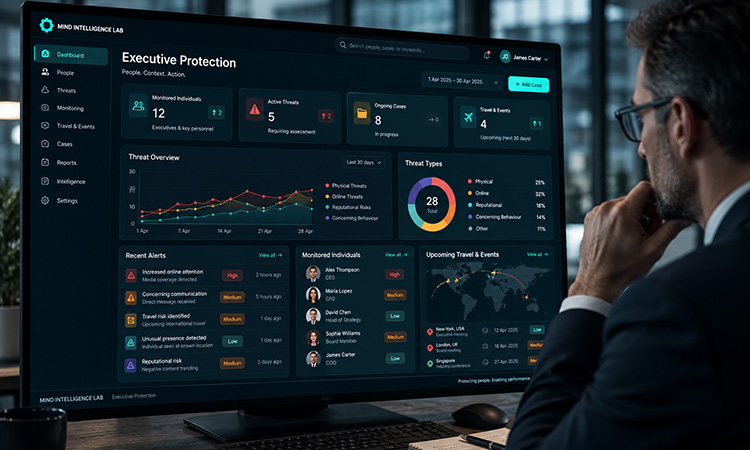
Threats against key individuals rarely start with an incident. They can develop over time through social media, online communication, harassment and unwanted attention. The challenge is knowing what to look for, which signals matter and when a situation requires action.
Why Chose Executive protection
- Understand the threat landscape
Identify threats, harassment and concerning behavior across relevant digital channels and communication. - Assess risk before it escalates
Structure and assess signals to distinguish between frustration, threats and behavior that may indicate a more serious intent. - Protect people with the right information
Give security and decision-makers a clear and structured basis for determining appropriate protective measures. - Create a proactive protection capability
Move from reacting to incidents to continuously understanding and managing the risks surrounding your most exposed people.
What Changes with MIL Executive Protection?
Before
A REACTIVE APPROACH
Reactive protection
Security measures are often initiated after a threat or incident has emerged.
Fragmented information
Relevant information is spread across different sources, making it difficult to see the full picture.
Manual assessment
Time-consuming work to identify, assess and prioritize potential threats.
Limited visibility
Difficult to continuously monitor changes in the threat landscape around key individuals.
After
A PROACTIVE APPROACH
Proactive protection
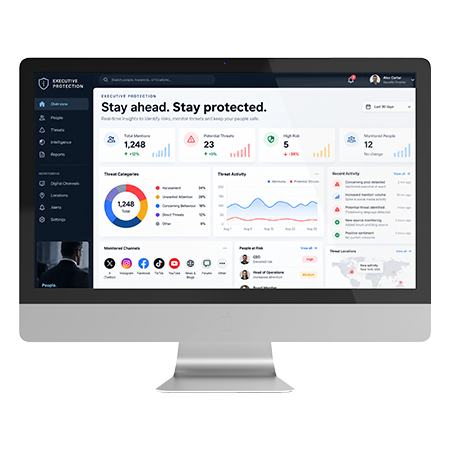
Identify potential threats early and take action before they escalate.
Connected intelligence
Bring relevant information together to create a clearer picture of potential risks.
Structured assessment
Use a consistent, evidence-based approach to identify and assess threats.
Continuous visibility
Track changes over time and identify emerging risks before they become incidents.